
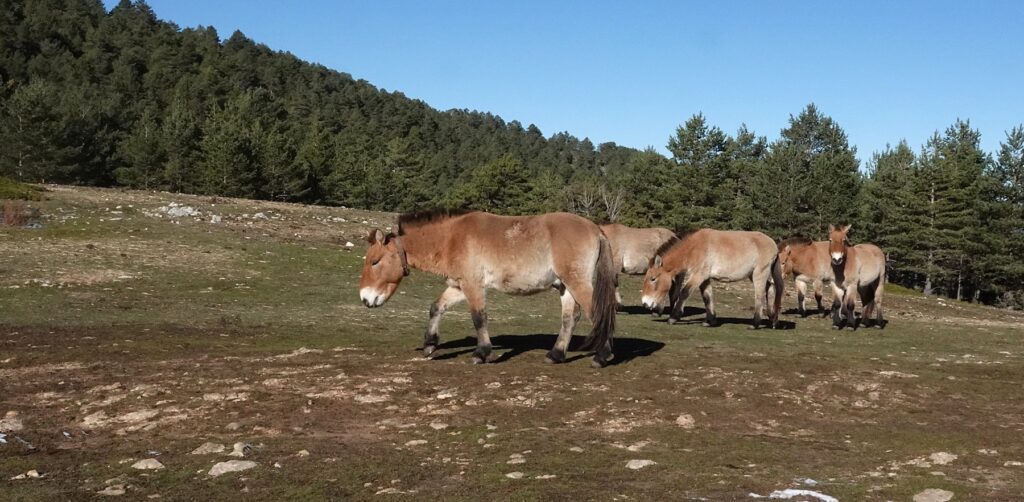
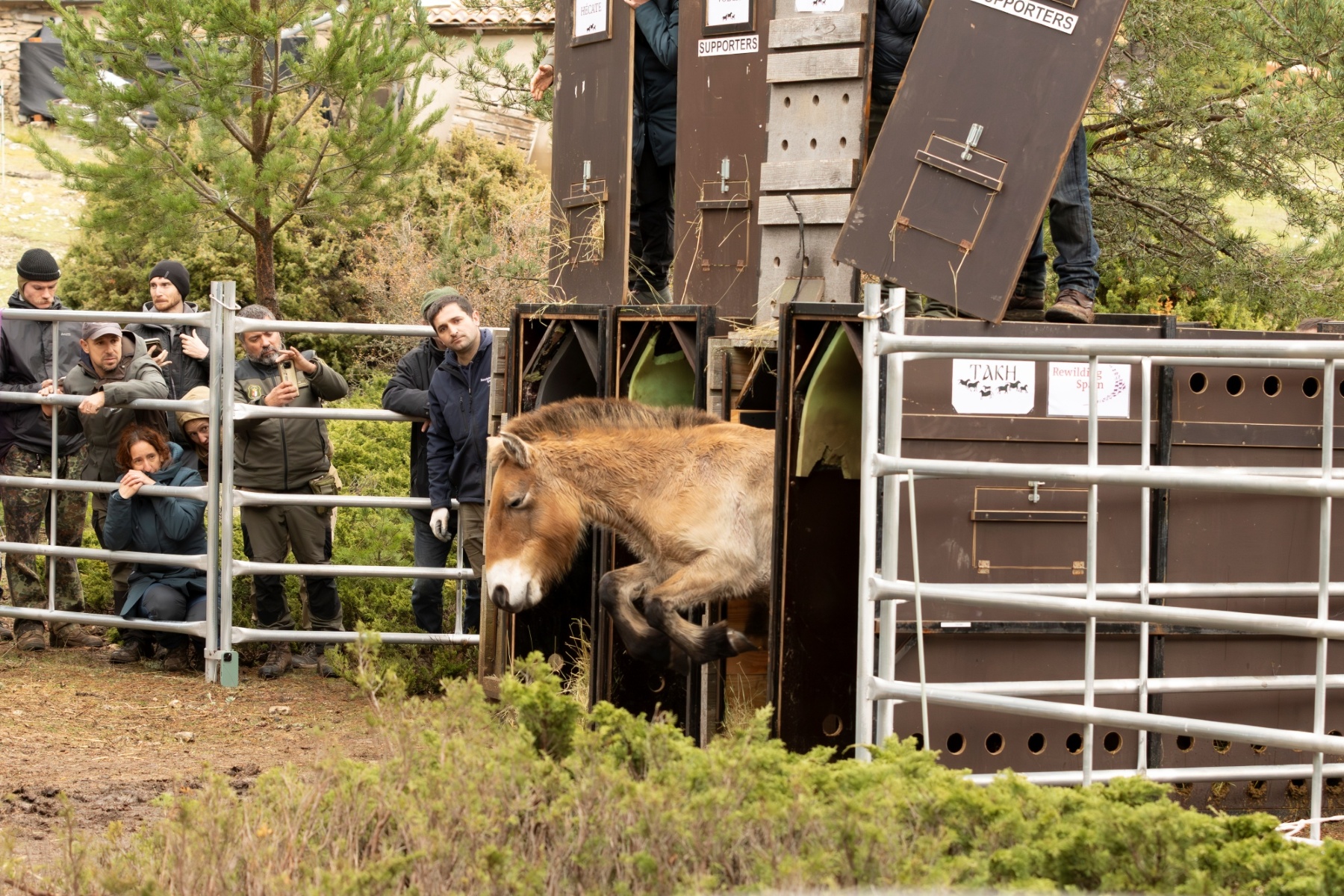
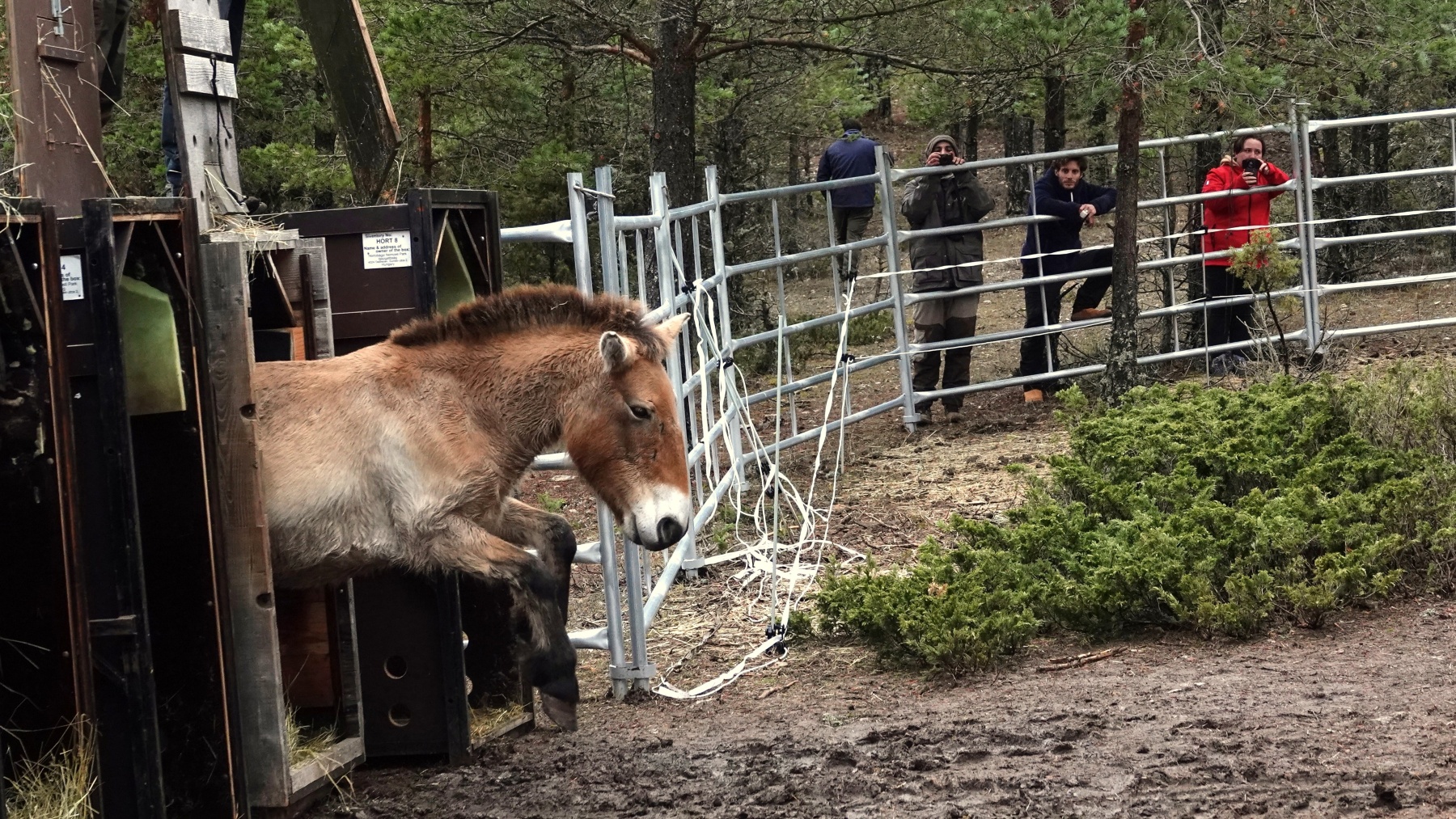
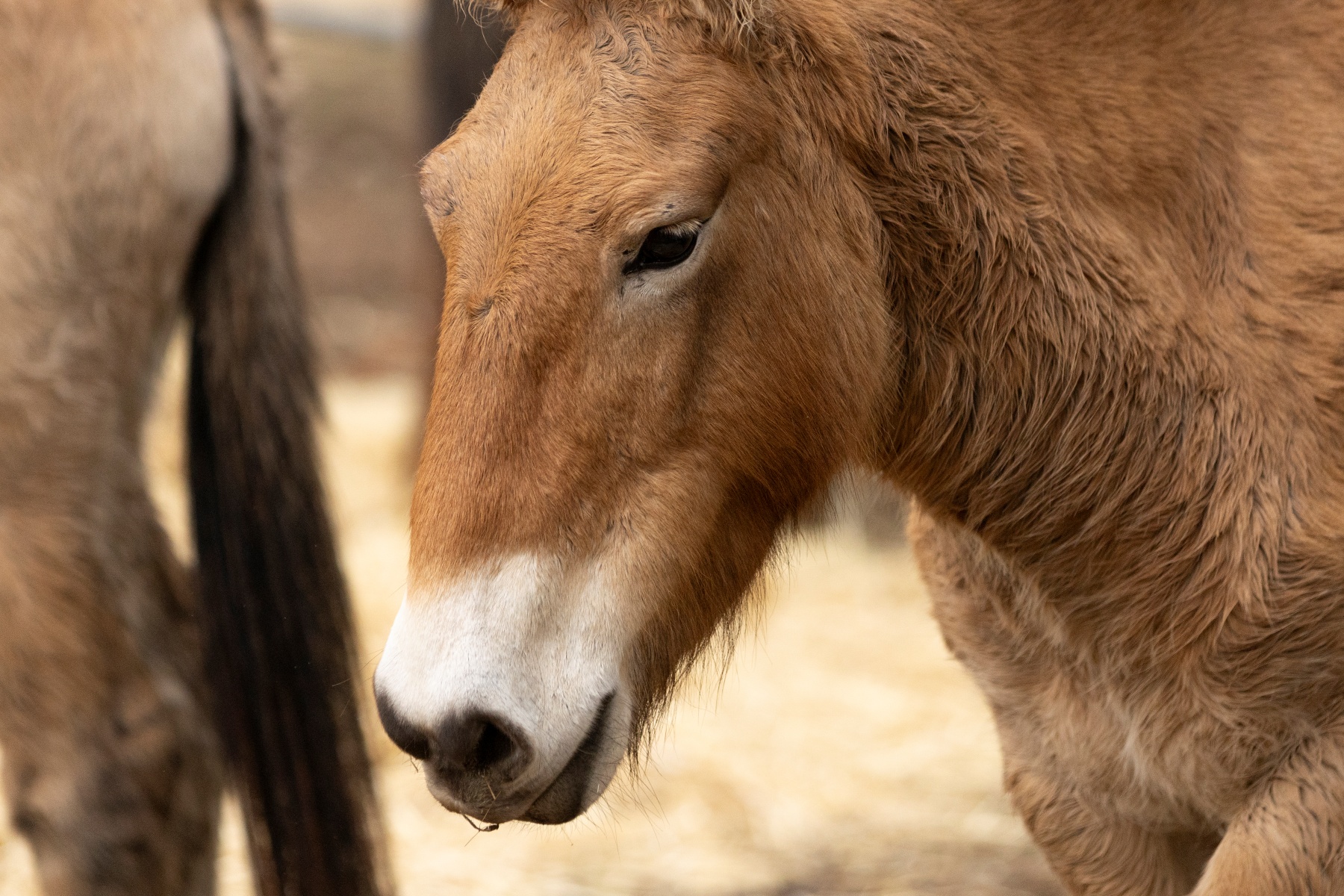
A small herd of six Przewalski’s horses has just arrived in the Alto Tajo Natural Park in Castilla-La Mancha, a protected landscape of deep canyons, vast pine forests and some of the wildest terrain in the Iberian Highlands. Their mission is as simple as it is transformative: to bring back the natural grazing that once shaped these ecosystems, opening up habitats, boosting biodiversity and reducing the risk of wildfires.

These horses are no ordinary newcomers. Przewalski’s horses are the world’s last truly wild horses, tough, resilient animals whose behaviour and feeding patterns help create healthier, more dynamic landscapes. Their presence marks the first-time natural grazing has been reintroduced inside a protected area of the Iberian Highlands, making it a landmark moment for rewilding in Spain.
The horses now roam the estate of La Campana, in the village of Checa (Guadalajara). This 1,000-hectare property — acquired by the regional government last year for conservation and research — offers everything these animals need: open pastures, shady pine woods and space to move freely. Although Przewalski’s horses have been reintroduced elsewhere in the region since 2023, this is the first herd to settle within the official boundaries of the Alto Tajo Natural Park.
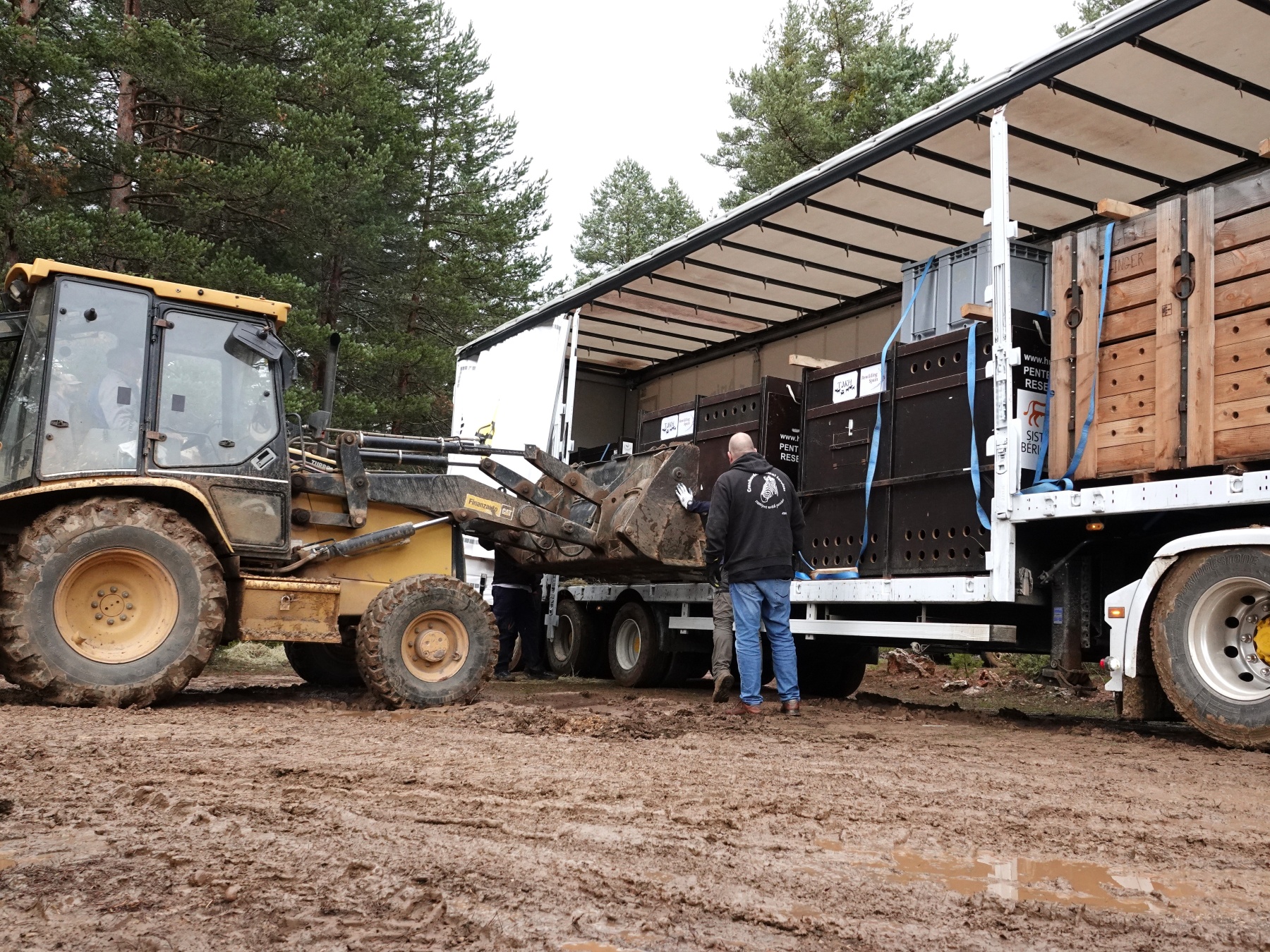
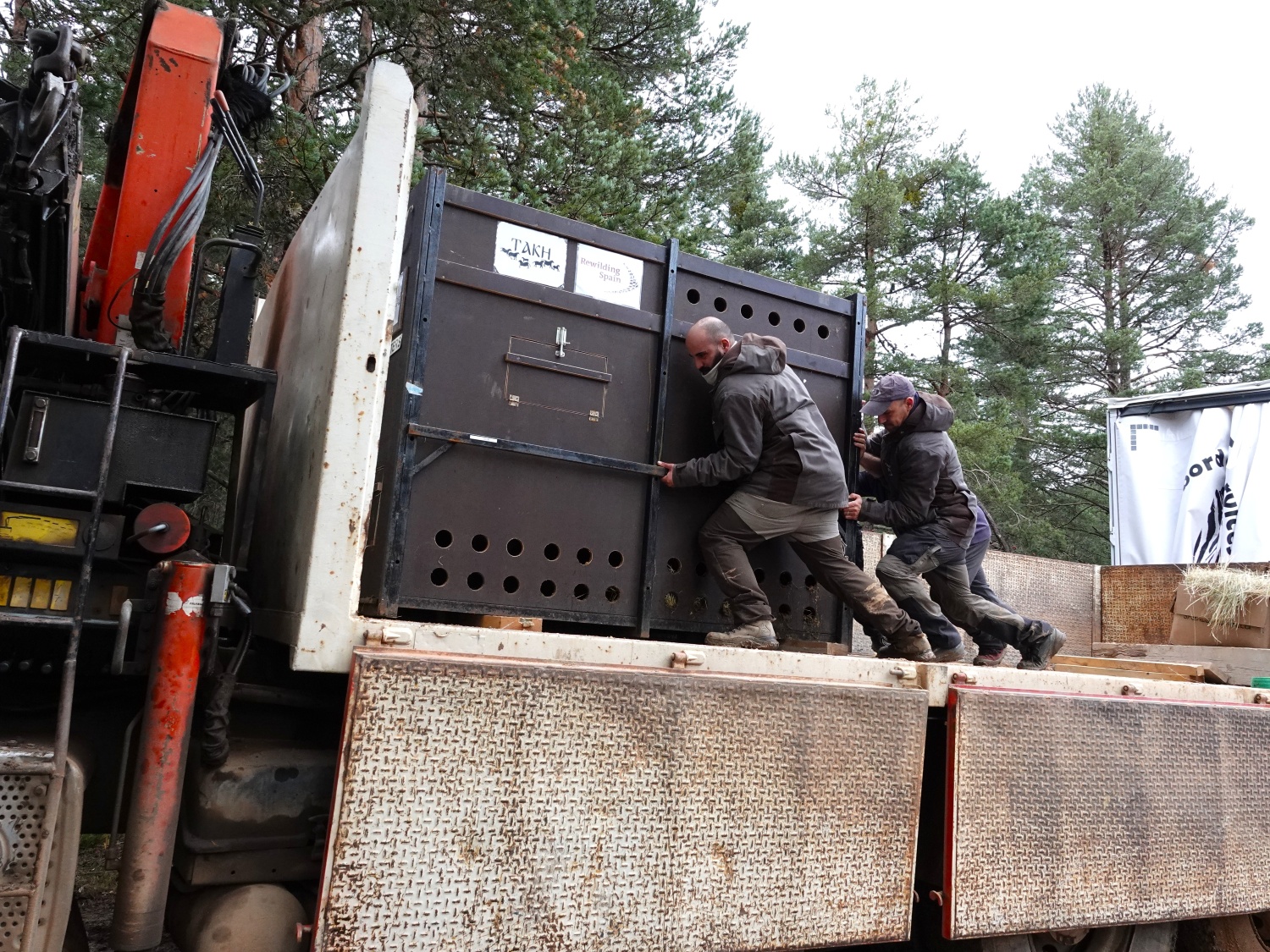
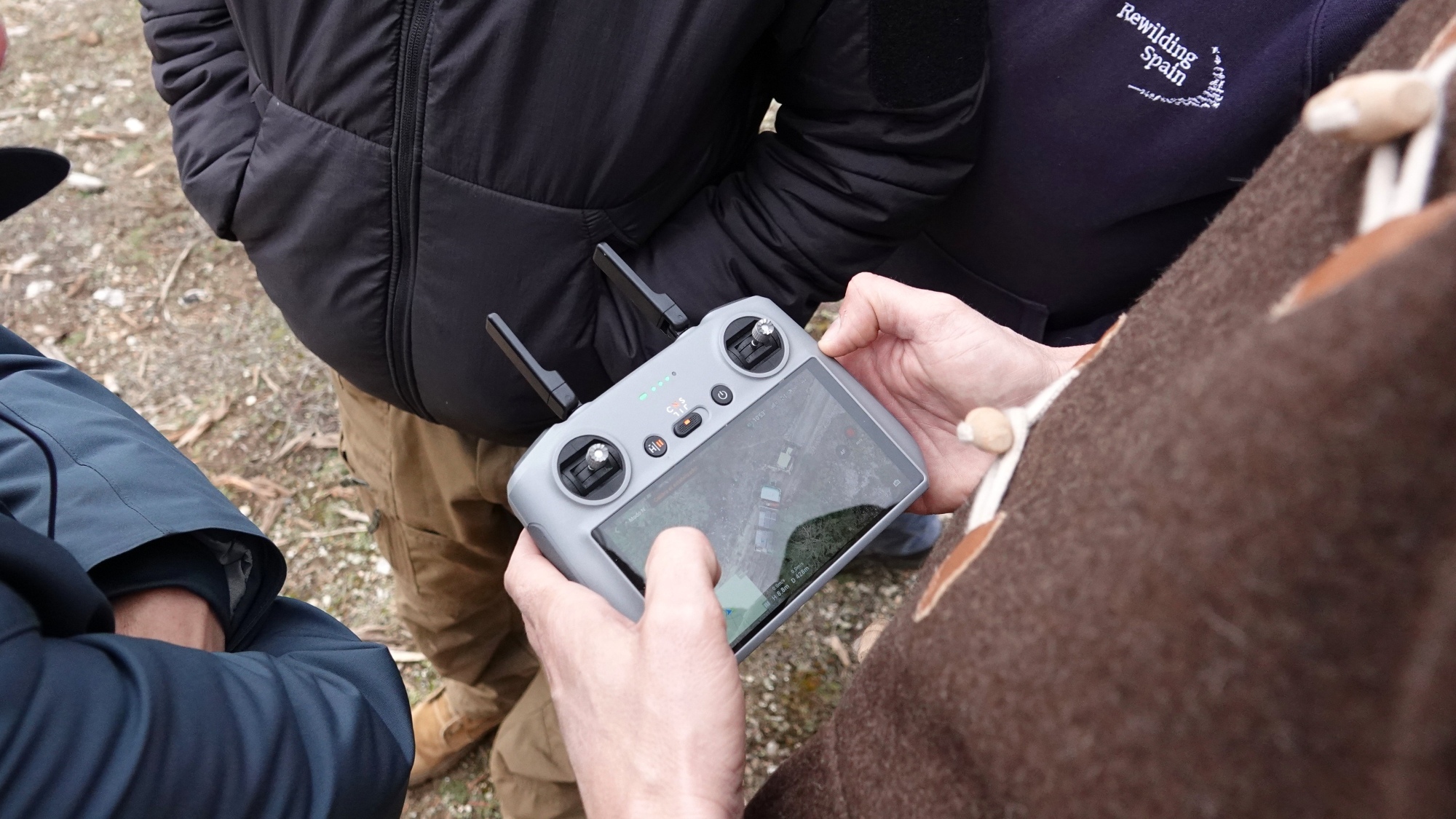
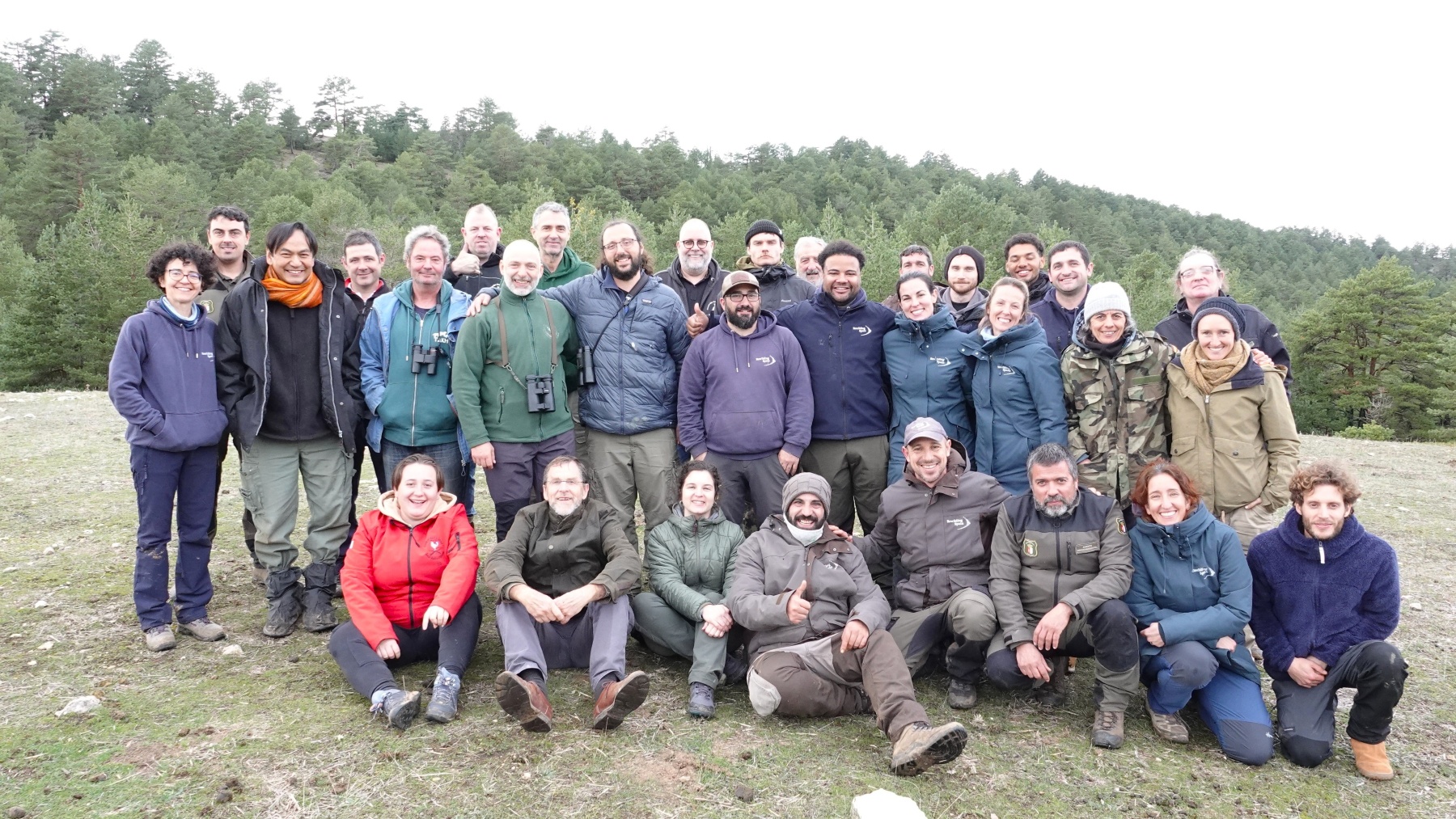
Their arrival is the result of a new collaboration between Rewilding Spain and the regional government of Castilla-La Mancha, following months of observation and testing with other horses to ensure the landscape was ready for them. The animals travelled from France with the support of the TAKH Association, which specialises in conserving this endangered species. The herd — four females, a young male and an adult stallion — is being monitored by GPS so researchers can study how they move, graze and influence their surroundings. As well, experts from the Przewalski’s Horse Conservation Alliance took part in the translocation process and helped with the monitoring to ensure the horses’ wellbeing.
Pablo Schapira, team leader of Rewilding Spain in the Iberian Highlands, highlights that this collaboration opens the door to exciting new possibilities: “It allows us to support the park’s conservation goals and improve habitats in a protected area of extraordinary ecological value,” he explains. Rewilding Spain has helped upgrade infrastructure on the estate and will continue to study the horses’ impact on the landscape.
But the benefits go beyond ecology. The presence of these iconic horses is expected to give a new boost to nature-based tourism in the area. Rewilding Spain will be working with local entrepreneurs and small businesses to help them create new ecotourism opportunities linked to wildlife watching and rewilding, something that is already bringing new life to other areas of the Alto Tajo region.
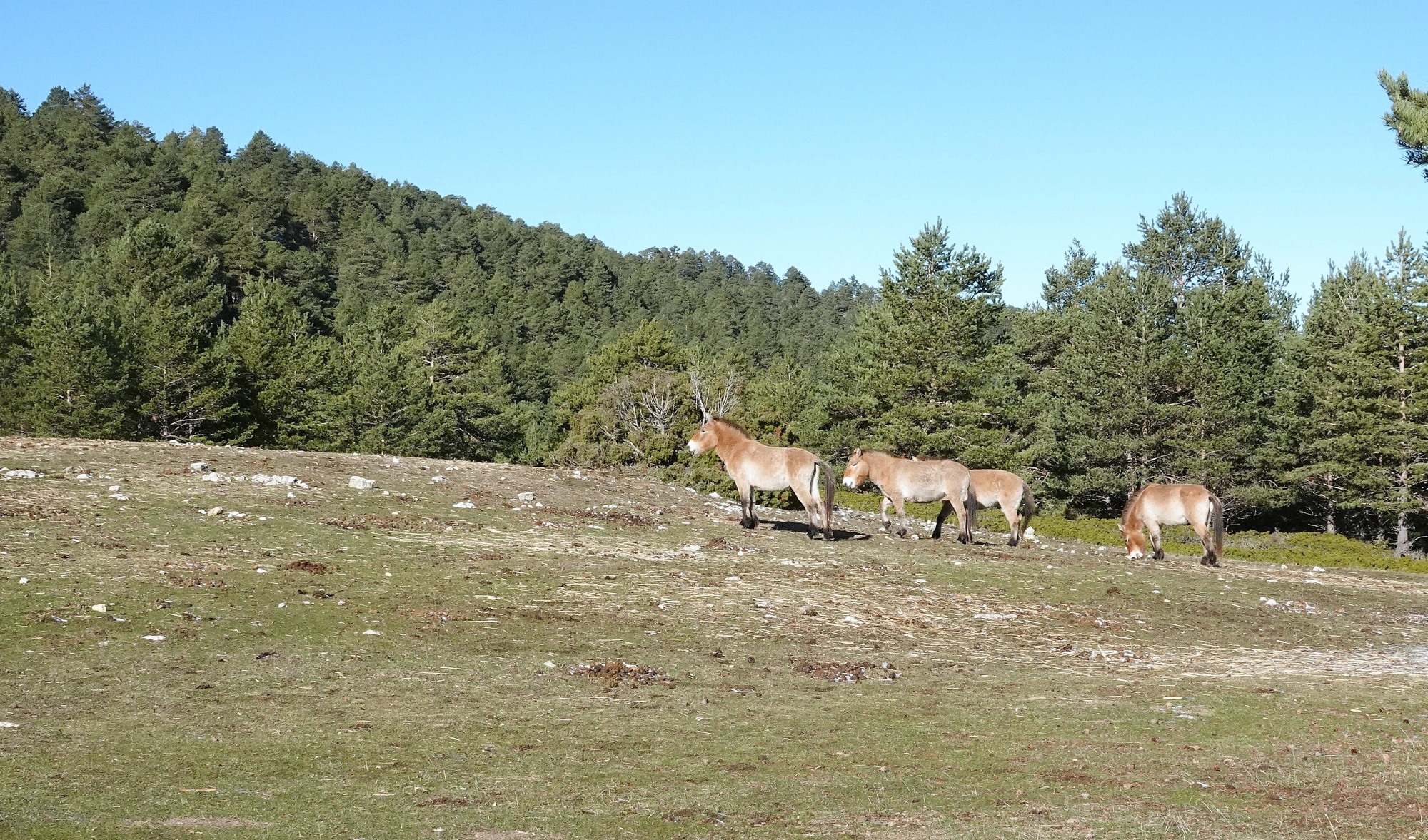
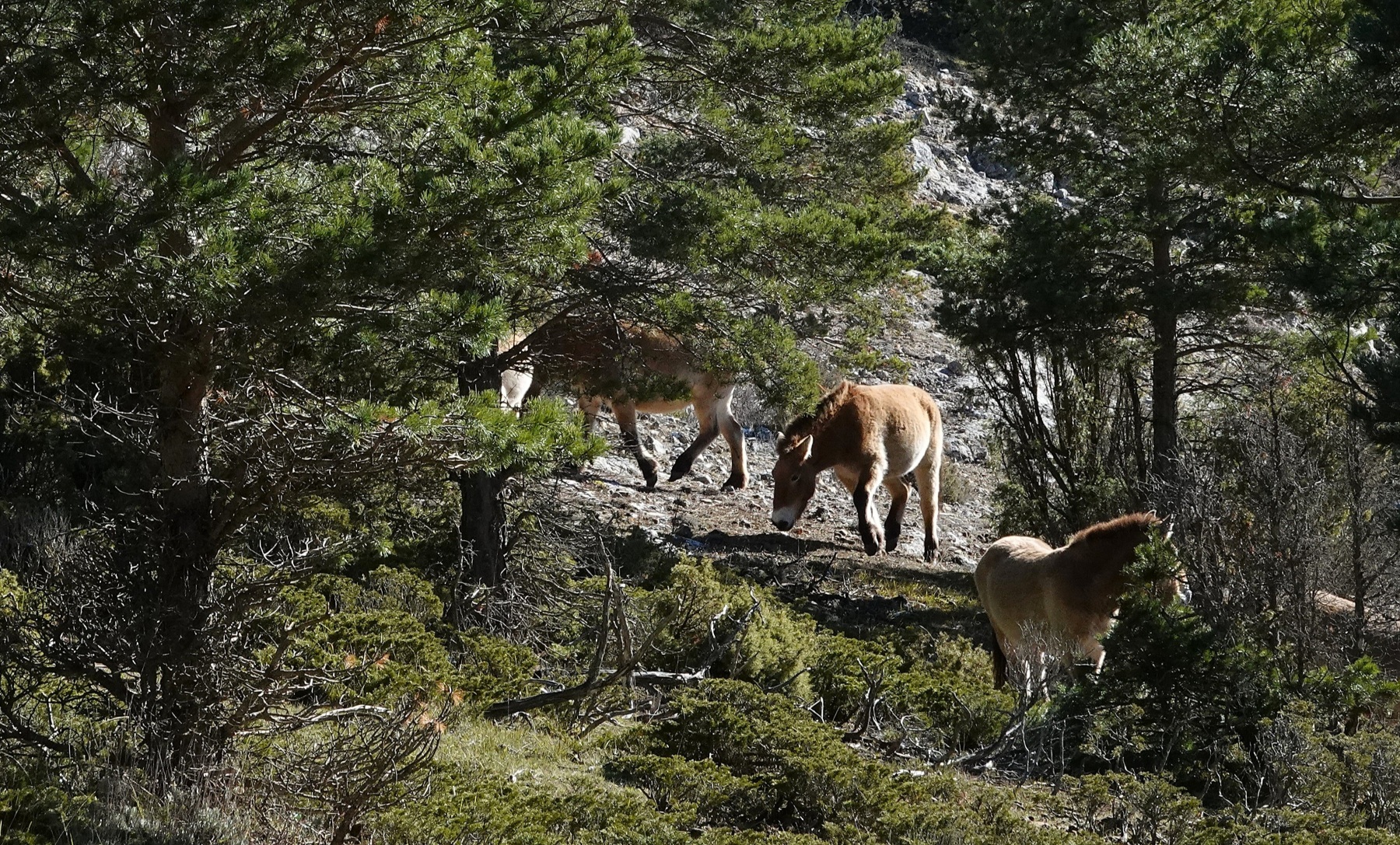
La Campana itself is a treasure trove of biodiversity: mountain pine forests with lime, ash, holly and yew trees; soaring golden eagles and gliding griffon and Egyptian vultures; and a community of wild herbivores including Iberian ibex, wild boar, fallow deer, red deer and roe deer. The return of natural grazers like the Przewalski’s horse brings this ecosystem one step closer to its wilder past and its wilder future.
Related news
- More than 40,000 views of the film ‘Breathing new life into the Iberian Highlands’
- Rewilding brings to the Iberian Highlands the first free-roaming Przewalski’s horses in Western Europe