
With the black vulture as its central figure, the environmental education programme Rewilding Educa organised field trips throughout 2025 for more than 750 primary and secondary school pupils from the Alto Tajo, the Serranía de Cuenca and the Sierra de Albarracín regions—an excellent opportunity to learn about a key species for the health of ecosystems.
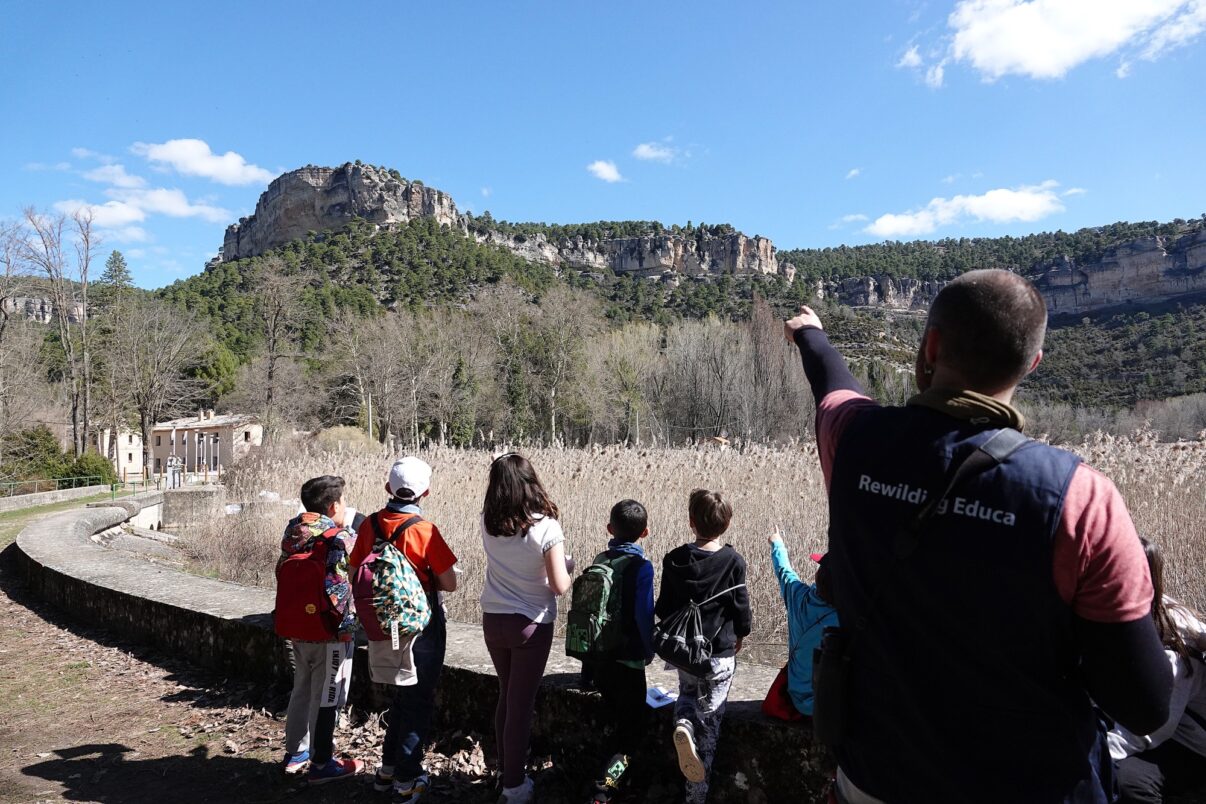
Vultures may not be the most visually striking animals and they certainly do not usually feature in children’s stories or uplifting fables. However, the role played by these scavenging birds is essential to maintaining healthy ecosystems. The vital function of scavengers, and how it is carried out in the Iberian Highlands, has been the central focus of the Rewilding Educa programme, which this year involved 754 children from the regions of Molina–Alto Tajo, Sierra de Albarracín and, for the first time, Serranía de Cuenca.
By combining field trips with classroom-based activities, students learned about the scavenger birds currently found in the landscape, discovered the black vulture reintroduction work being carried out in the area, and gained an understanding of how the natural decomposition process works. Vultures’ feeding habits are a fundamental part of this process: by consuming animal carcasses, they help prevent the spread of disease, acting as true sanitary crew of nature.
Rewilding Spain is partnering with Castilla-La Mancha regional government in the reintroduction of Cinereous vulture in the landscape, where this scavenger used to live as resident species until a hundred years ago. Thanks to this collaboration, 37 specimens have already been released in nature in Alto Tajo and Serranía de Cuenca areas.
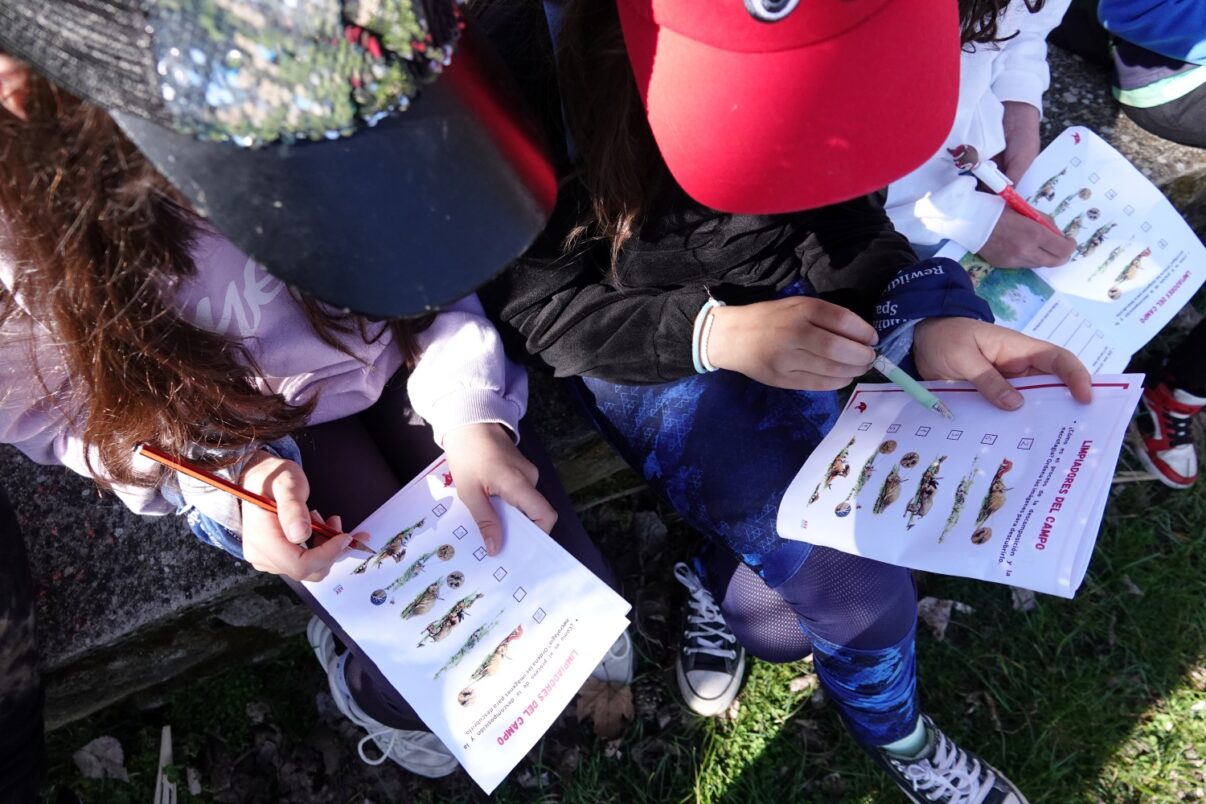
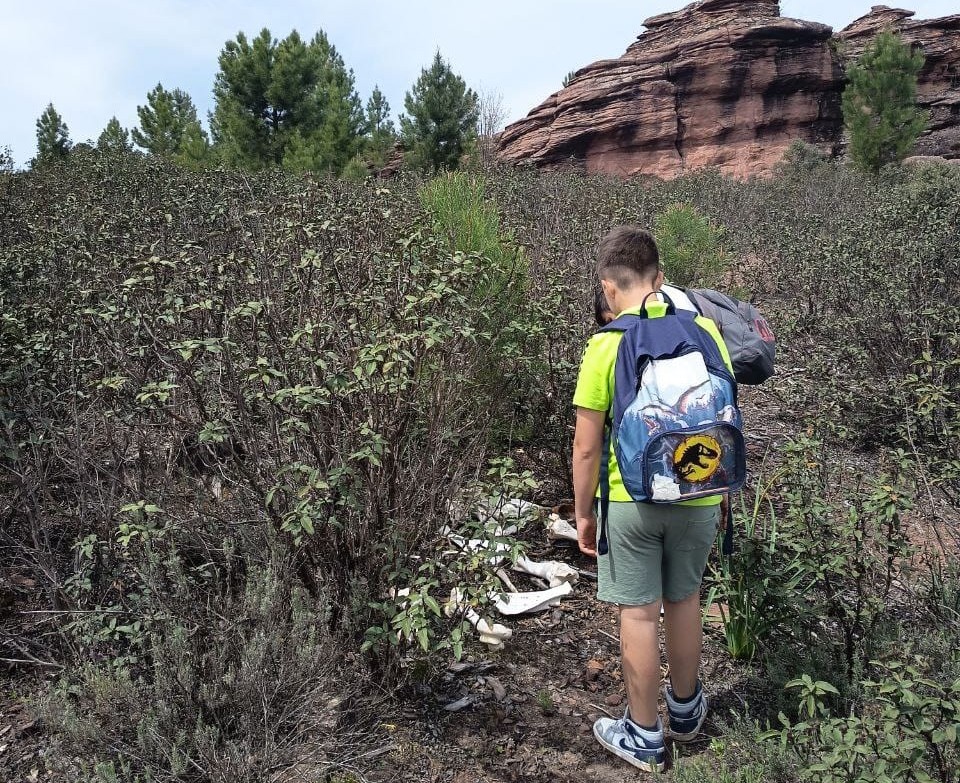
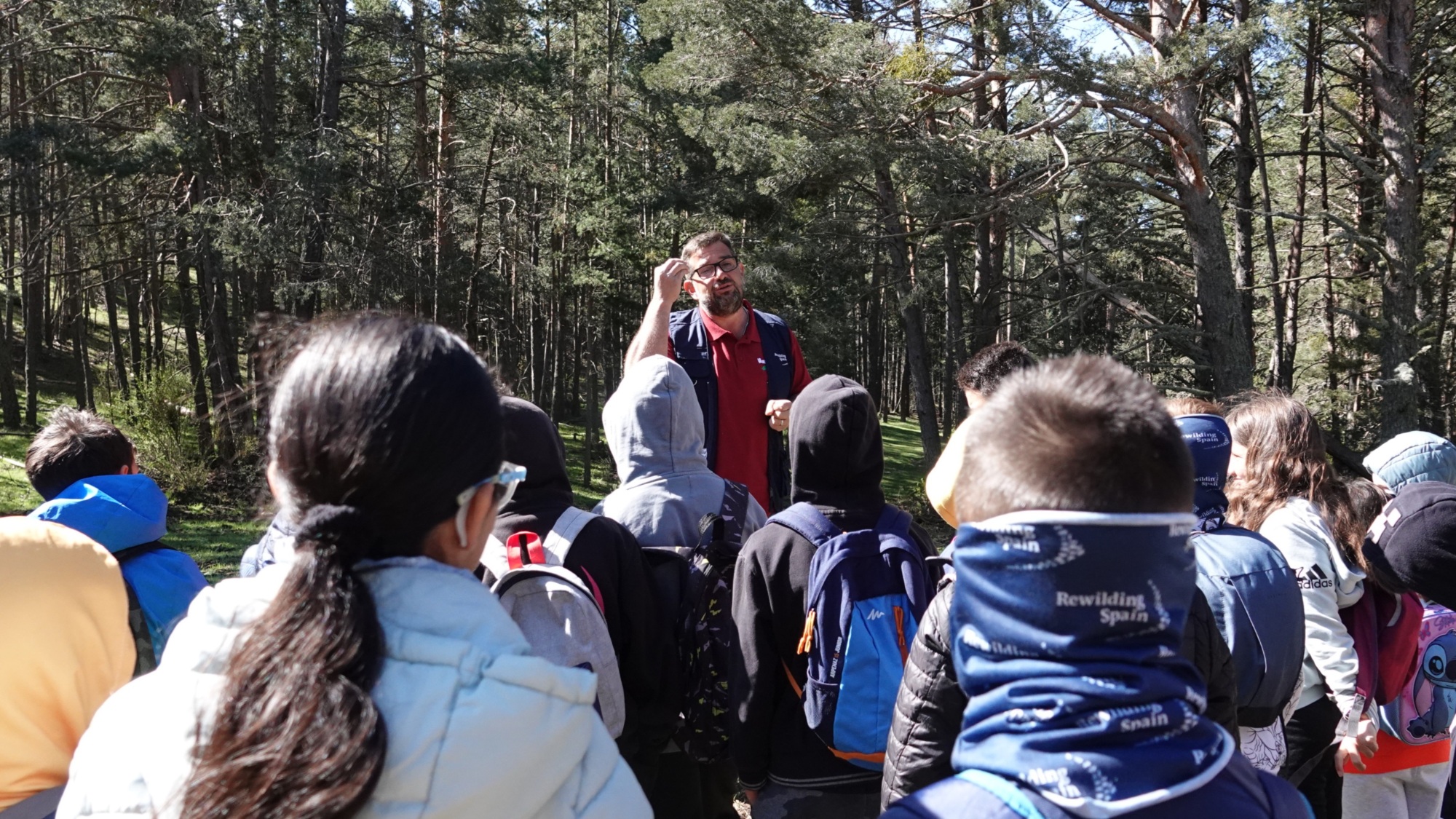
During field trips held in Mazarete (Guadalajara), Boniches and Uña (Cuenca), and Frías de Albarracín (Teruel), pupils observed griffon vultures and took part in hands-on games and activities. These sessions were supported locally by the organisations Micorriza, Stipa&Azeral and Parque La Maleza.
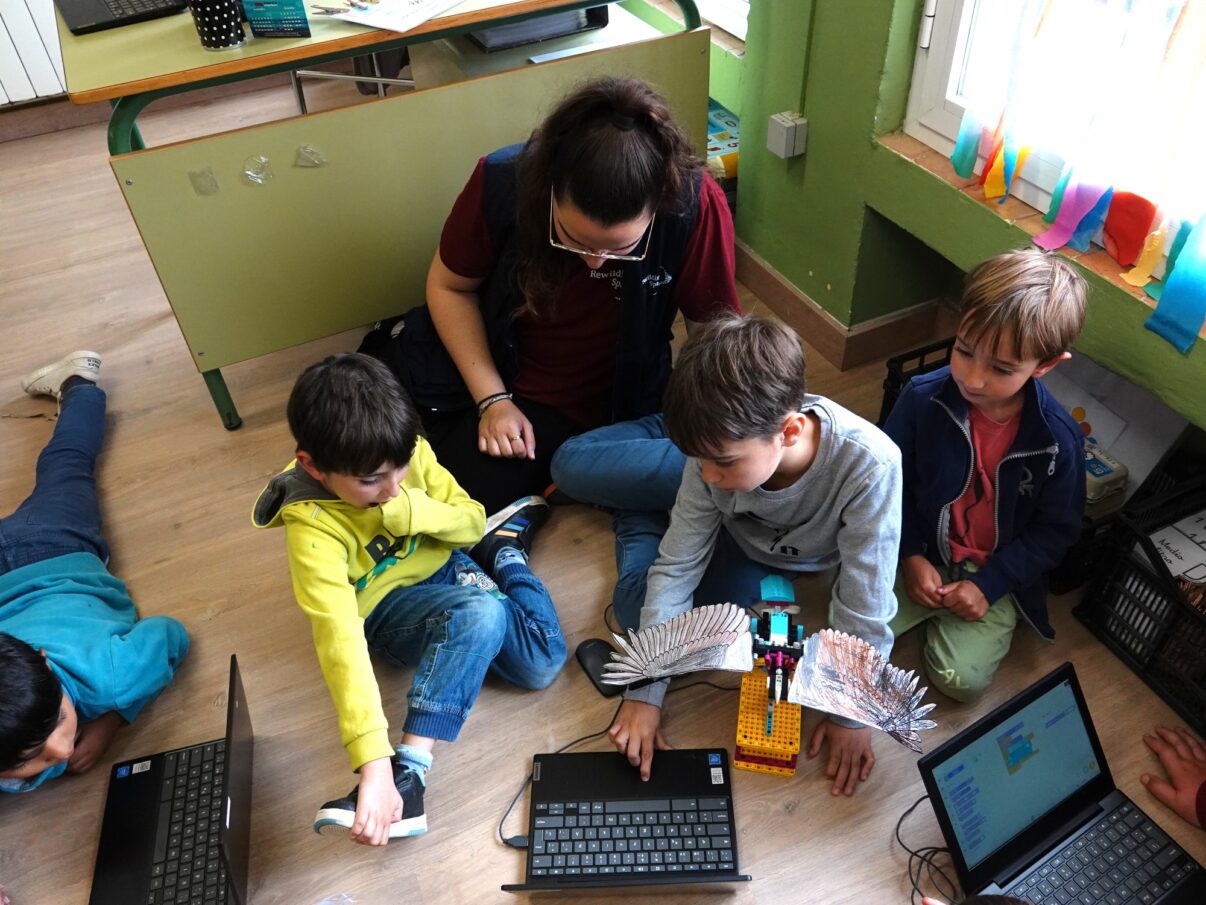
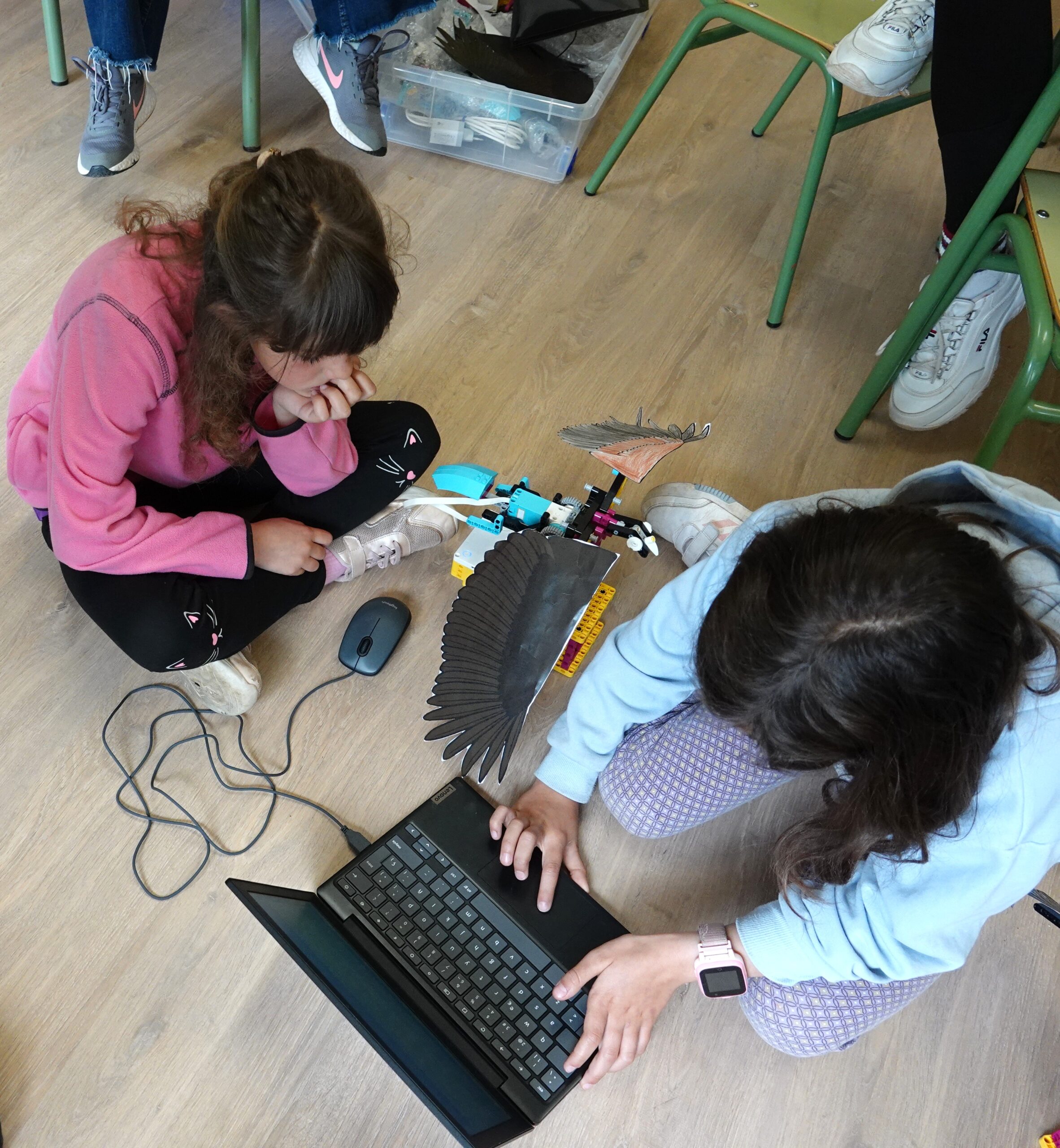
In the classroom, Rewilding Educa incorporated innovative Lego-based technology, allowing students to work with a black vulture robot that they learned to programme with specific movements and sounds.
“An extremely enriching experience to learn about our surroundings and the relationships between the species that share them” and “this should be repeated more often” were among the comments made by participating schools about this year’s activities.
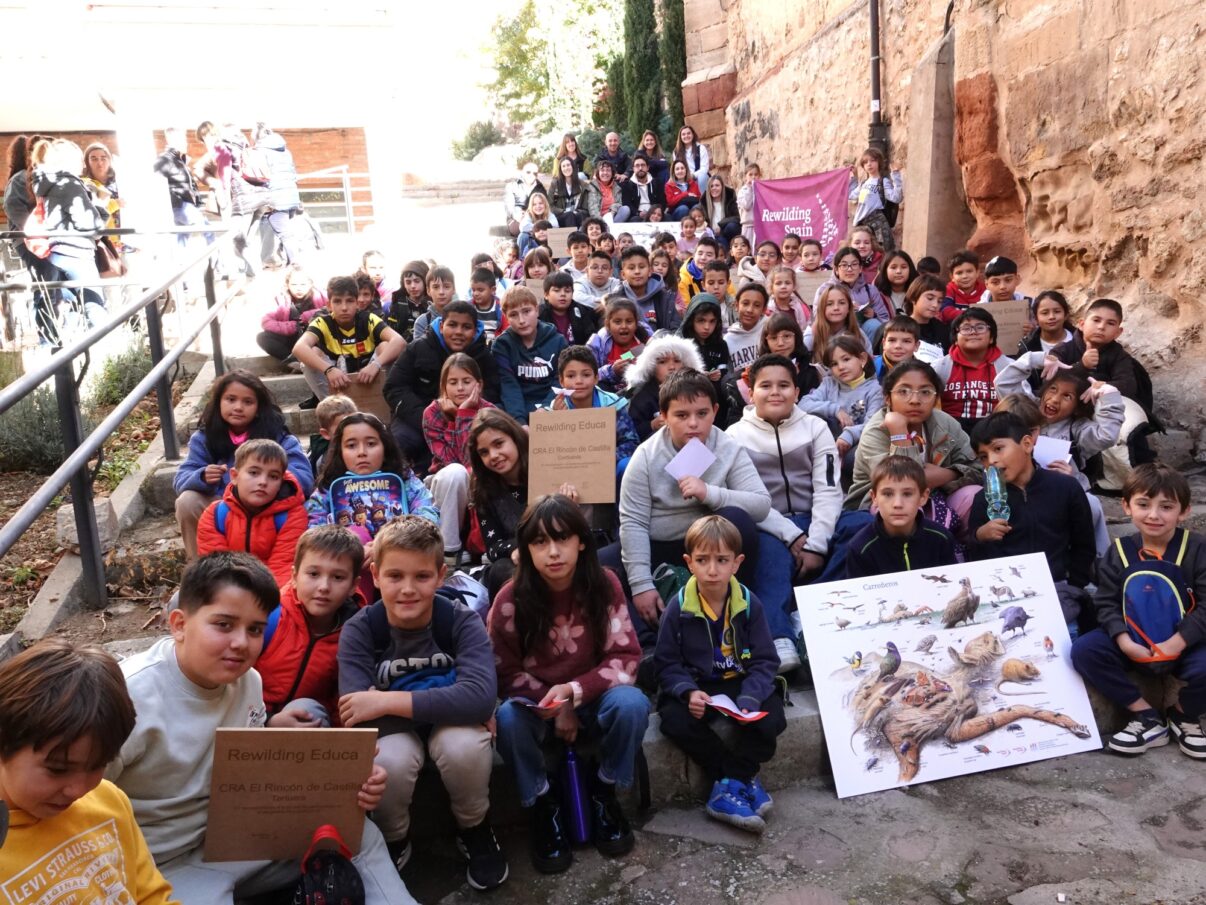
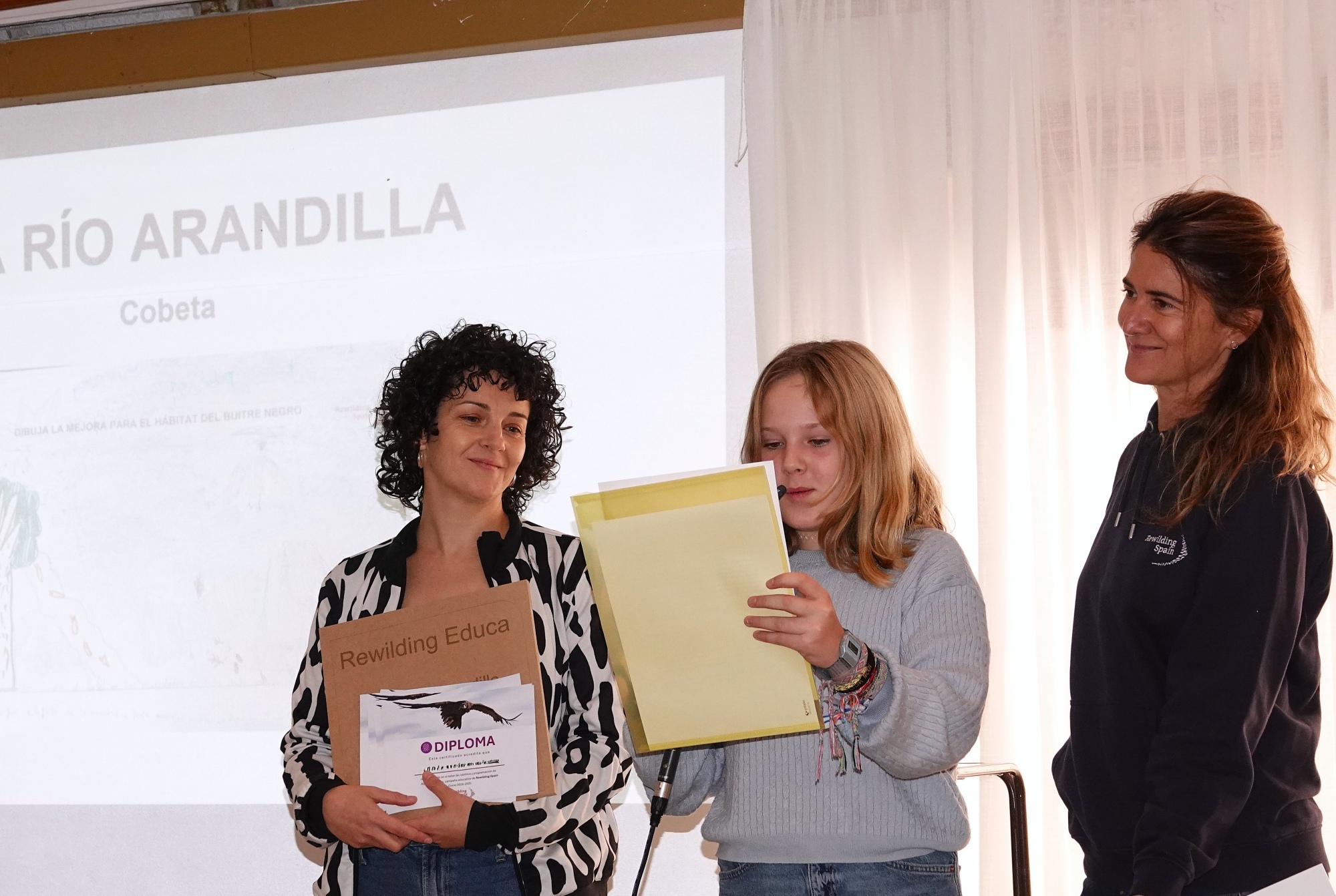
The programme concluded with an event in Molina de Aragón, bringing together several of the participating schools. The positive feedback from the participants and our commitment to strengthening the connection between younger generations and their natural environment fuels our plans for the coming years. In fact, at the closing event, Rewilding Spain’s General Manager, Mara Zamora, confirmed that the education programme will continue in 2026, with new thematic focuses centred on the natural values of the Iberian Highlands.
|
|


Related news
- More than 400 students are now closer to nature thanks to Rewilding Educa programme
- New education programme to connect young people with rewilding experiences close to home