
The climate crisis and the accelerating loss of biodiversity make it increasingly urgent to restore ecosystems and recover natural processes at scale. Achieving this requires a combination of strong environmental foundations, a social focus, and financial models capable of sustaining these actions over time. Wilderway connects ecological restoration with private capital to generate returns through investment in nature. The model is already being implemented in Spain and Beatriz González de Suso explains how it works.
Wilderway was founded within Rewilding Europe as a tool to support projects focused on restoring natural processes. In Spain, it has collaborated for more than three years with a range of partners, including Rewilding Spain. Its work focuses on financing large-scale restoration projects that are economically viable and investment-ready, while never losing sight of the primary goal: restoring nature and reconnecting people with it.
The aim is to promote the recovery of more functional, biodiverse and resilient ecosystems by using the Voluntary Carbon Markets as a financial mechanism and creating long-term income for landowners. To achieve this, Wilderway connects both public and private landowners, restoration initiatives proposed by local organisations, and companies committed to nature conservation.
Projects are structured around nature-based solutions such as the creation of mature forests, peatland recovery, the reintroduction of herbivory, and wetland restoration.
Wilderway oversees the development, registration and verification of these carbon credits. Projects are developed in line with international standards such as Verra and undergo independent validation processes to ensure transparency and compliance with established methodologies.
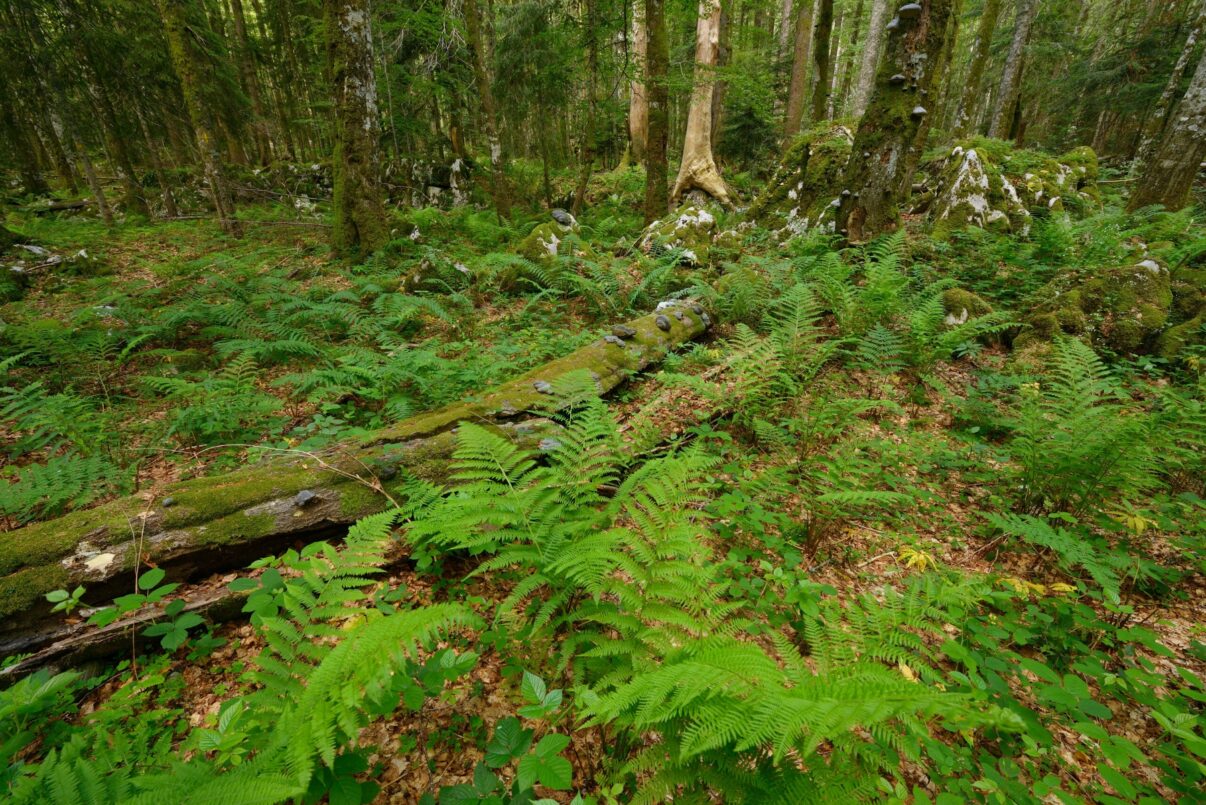
In Spain, Wilderway works alongside landowners, partners and public authorities to identify forest stands with maturity attributes, with the aim of creating old-growth forests through a shift towards non-intervention management and the promotion of these characteristics.
A pioneering project in the Serranía de Cuenca
Where it makes environmental sense, the project is based on management practices that allow forests or woodland stands to evolve naturally, maintaining forest cover without commercial logging for the duration of the project. This enables forests to reach advanced stages of maturity.
One example can be found in the municipality of Vega del Codorno, in the Serranía de Cuenca region, where Wilderway and Rewilding Spain are working together on the protection of 264 hectares. This is a grouped project that will expand to include thousands of additional hectares over the coming years.
Primary forests are extremely rare — covering less than 5% of Europe — and advanced stages of forest maturity are exceptional. This results in the loss of key ecosystem services, including habitats for species that depend on structural diversity, more effective regulation of the water cycle, and greater capacity for carbon capture and storage, both in living biomass and in deadwood and soil.
This change in management encourages the development of older trees and deadwood, both of which are essential for increasing biodiversity and strengthening forest resilience in the face of climate change.
Conservation compatible with traditional land uses
Traditional activities such as grazing, hunting and mushroom foraging are maintained within the mature forest conservation projects, helping to secure social acceptance and strengthen the connection between local communities and the natural environment. In addition, nature tourism and environmental education are encouraged, turning conservation into a driver of local development, as income generated through the sale of carbon credits is shared with landowners.
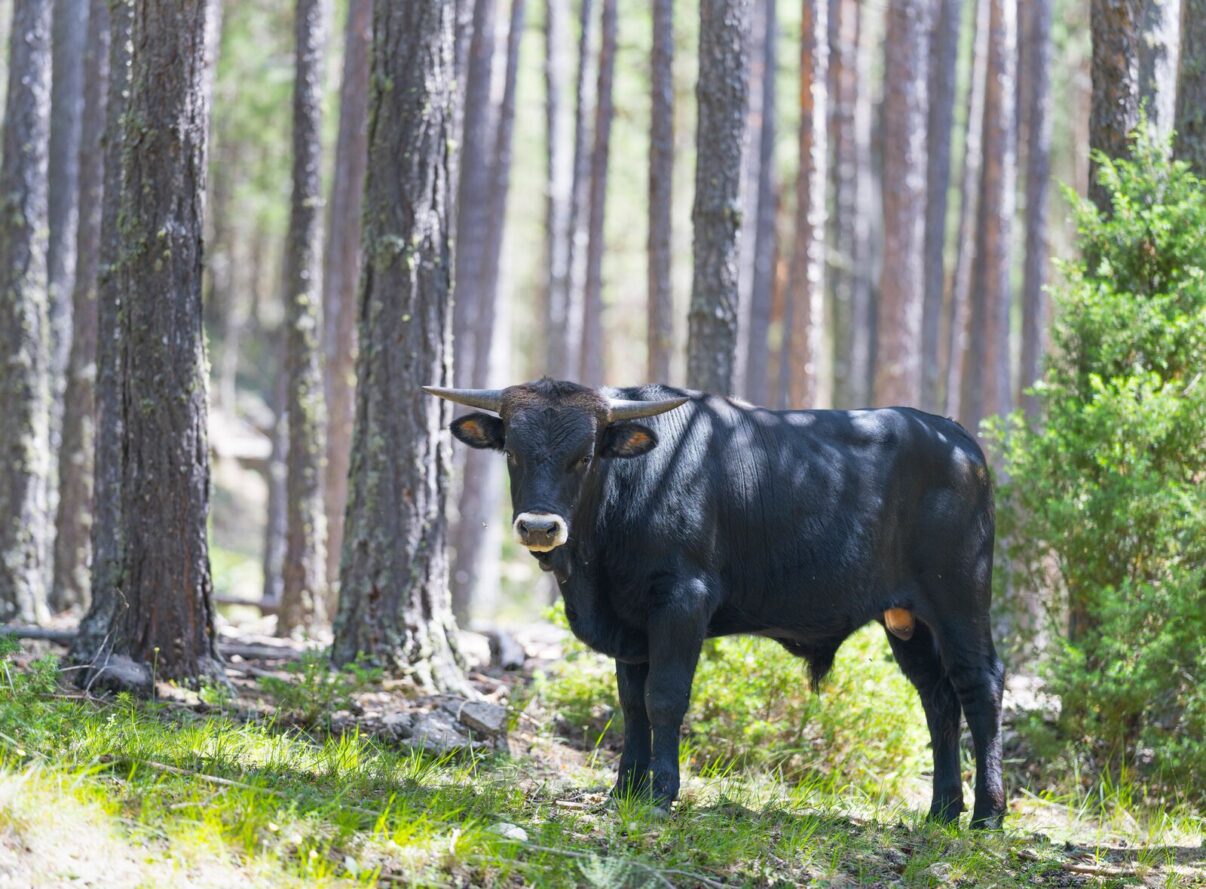
Alongside forest projects, Wilderway and Rewilding Spain are also pioneering the development of nature credits linked to the reintroduction of large herbivores. These animals play a key role in restoring biodiversity and reducing wildfire risk by promoting mosaic landscapes that combine forests and grasslands. Rewilding Spain has reintroduced herbivores across a territory covering more than 25,000 hectares in the Iberian Highlands.
Through rigorous monitoring and evaluation of indicators such as soil organic matter and the diversity of key species, Wilderway demonstrates that protecting nature is a sound investment in the future.