REWILDING ESTATES

REWILDING ESTATES

Why rewilding a estate or a farm?

Applying a rewilding approach in any geographical context is to make an investment in its ecological recovery and economic viability. Rewilding Spain helps public and private property owners implement land management solutions that are innovative, yet ecologically and socially responsible. In addition, it is an opportunity to inspire others in developing effective responses to major environmental challenges, such as the biodiversity crisis and climate change.

A Model for Different Scales

Currently, the rural world is facing a threefold economic, social and ecological crisis, derived from an unfavourable general context. Large rural estates have the challenge of responding to multiple social demands while facing growing expenses and a certain decline of their model based exclusively on hunting, livestock and/or timber.

Rewilding can be applied to different scales and geographical contexts, ranging from large landscapes with a high degree of pristine nature to relatively small or degraded areas. The principles of rewilding can help to find nature-based solutions that address land management problems while improving biodiversity and reducing management costs. These advantages are applicable to many private farms, estates or public forests, and to different ecosystems, regardless of their initial state of conservation.

Our work in farm rewilding is open to spaces of any size in all Iberian ecosystems, from the Atlantic region to semi-arid areas, including wetlands and seas.

Private Estates and Public Forests

Rewilding a private farm or estate can improve its natural capital, while facilitating more efficient management and an increase in earnings, with new financing opportunities, and other relevant advantages depending on the interests and needs of the property.

In public forests, rewilding can help generate new socio-economic opportunities in municipalities affected by depopulation, enhancing biodiversity and adaptation to climate change, while also contributing to its mitigation thanks to greater carbon sequestration.

Oppotunities for Collaboration

We collaborate with estate/property owners, public or private, who are interested in the rewilding approach. Together, we create practical cases of the application of rewilding principles in different contexts and situations representative of Spanish biogeographic and administrative diversity. From semi-arid areas to pastures and wetlands, from the large southern agricultural estates to the northern smallholdings, and to the public forests owned by the municipal, regional or national government, we develop management models that are inspiring and serve as an example to other landowners.

Outstanding components of this line of work are:

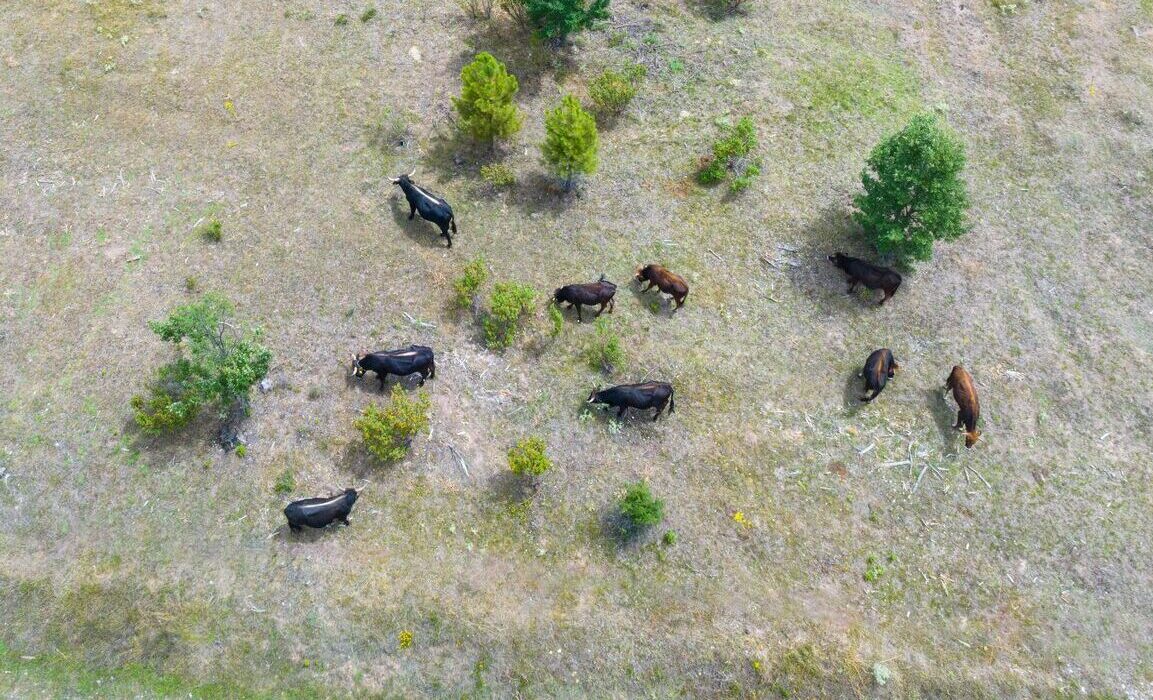
  • Efficient management of the ecosystem based on the restoration of natural processes (role of herbivores, use of managed fire, restoration of natural waterways, soil regeneration, etc.).
  • Ecological monitoring to assess changes in the ecosystem and the improvement of biodiversity.
  • Review of the business model to ensure the viability of the approach applied.

“Rewilding can be implemented in any open space”


Jordi Palau
Head of Rewilding

Jordi Palau leads the Department of Rewilding of Farms and Estates at Rewilding Spain. In addition to having extensive experience in the planning and management of natural spaces, he is the author of the book ‘Rewilding Iberia. Exploring the Potential of Rewilding in Spain’, the reference publication on rewilding in the Spanish language, where he extensively analyses the rewilding movement and its potential in our country.

What are the benefits of rewilding a farm or private estate?

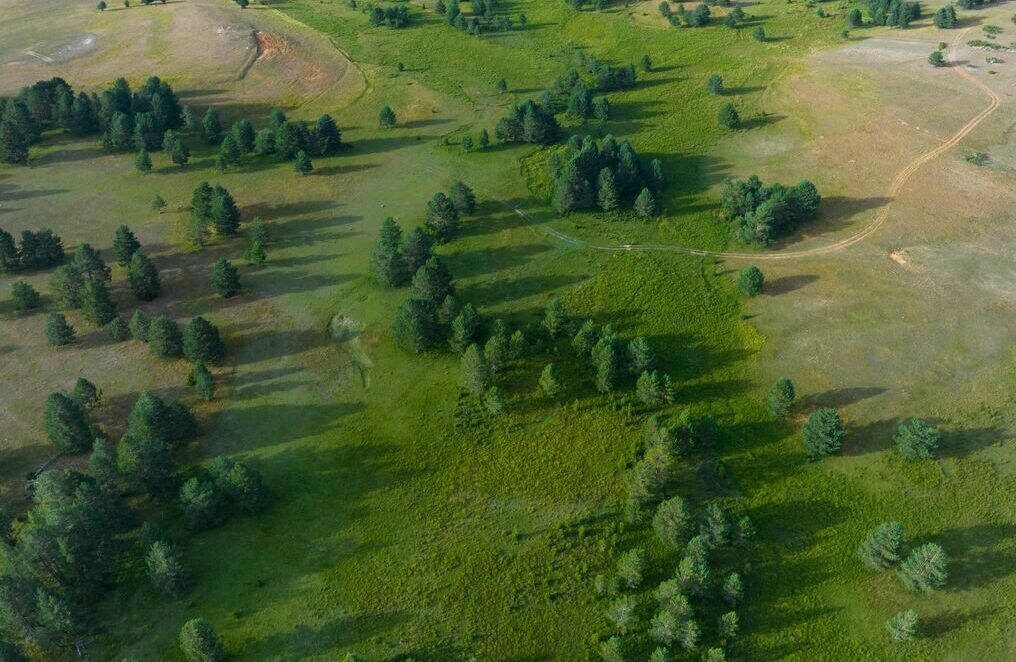
The most obvious benefits have to do with the recovery of natural sources of environmental diversity, which result in more diversified ecosystems, with mosaics of open and closed spaces, and greater biodiversity. In turn, these landscapes may be more resilient to the effects of climate change, for example, by reducing the risk of large fires. In addition to these ecological benefits, there are others of an economic and socio-cultural nature, since new sources of income can emerge, management costs per hectare can also be reduced and, ultimately, more sustainable and efficient management models can be achieved. Finally, a rewilded farm can be an inspiring example to others in similar regions.

Is rewilding only applicable to very large territories?

No, any space can be rewilded, and this can bring many ecological and socio-economic benefits. Normally, rewilding is associated with very large territories, but in reality, the approach is applicable to virtually any area. The key is to analyse what the natural processes of the place are, identifying those that are degraded, and then establish how to restore their functionality. In large areas this can be done with all the potential components of the ecosystem, achieving a low management intensity. On the other hand, in smaller farms and plots, certain artificial elements or practices may be incorporated to imitate a more complete renaturalisation process, which in turn, may require a higher degree of management. However, in exchange, having these essential processes in place results in an improvement in biodiversity and the services provided by the ecosystem.
Interested in rewilding a estate in Spain, contact us!

Rewilding estates


  • This field is for validation purposes and should be left unchanged.