

Developed by Rewilding Spain and the Castilla-La Mancha Mountaineering Federation, this 500-kilometre circular route is divided into 24 stages and passes through 38 villages in the Serranía de Cuenca, Alto Tajo, Montes Universales and Sierra de Albarracín. Those who take on the route will enjoy a unique experience of wild nature and discover the exceptional cultural heritage of the Iberian Highlands.
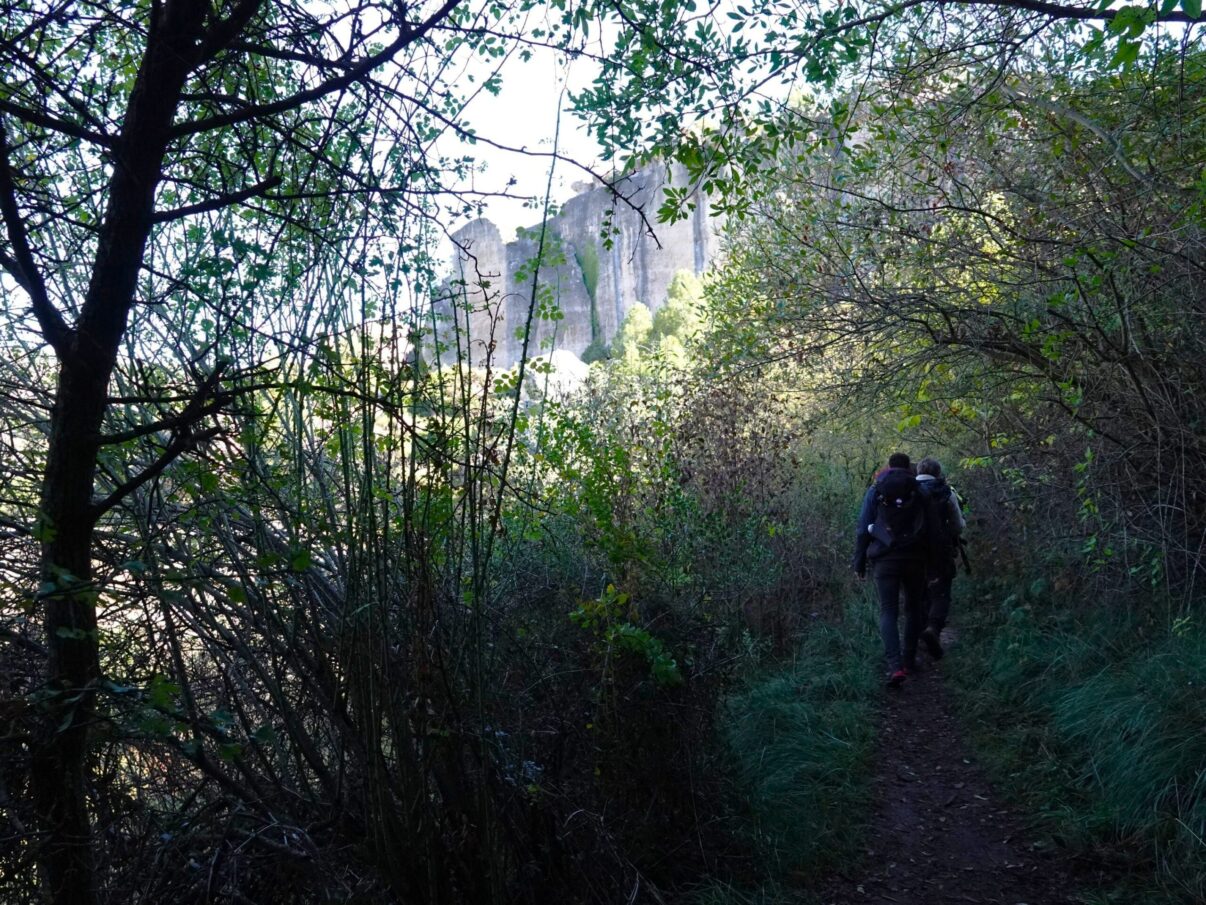
Until now, central Spain has lacked a major circular walking route linking some of its most iconic natural areas. Reto Ibérico fills this gap with a circular trail that brings together wild nature, cultural heritage and local development in a single 500-kilometre journey, connecting some of the most outstanding natural and cultural heritage sites in the Iberian Highlands.
The route has been designed as a series of 24 stages by Rewilding Spain and the Castilla-La Mancha Mountaineering Federation (FDMCM). It passes through the municipal areas of 38 villages in the Serranía de Cuenca, Alto Tajo, Sierra de Albarracín and Montes Universales regions, and can be enjoyed in several different ways. More ambitious walkers can tackle the entire route, completing all 500 kilometres in one continuous circular itinerary through the different areas. Alternatively, they can choose from specific circular routes exploring the individual areas: Reto Serranía (9 stages, 12 municipalities, 180 km); Reto Albarracín (8 stages, 13 municipalities, 185 km); Reto Montes Universales (6 stages, 14 municipalities, 160 km); and Reto Alto Tajo (7 stages, 17 municipalities, 180 km).
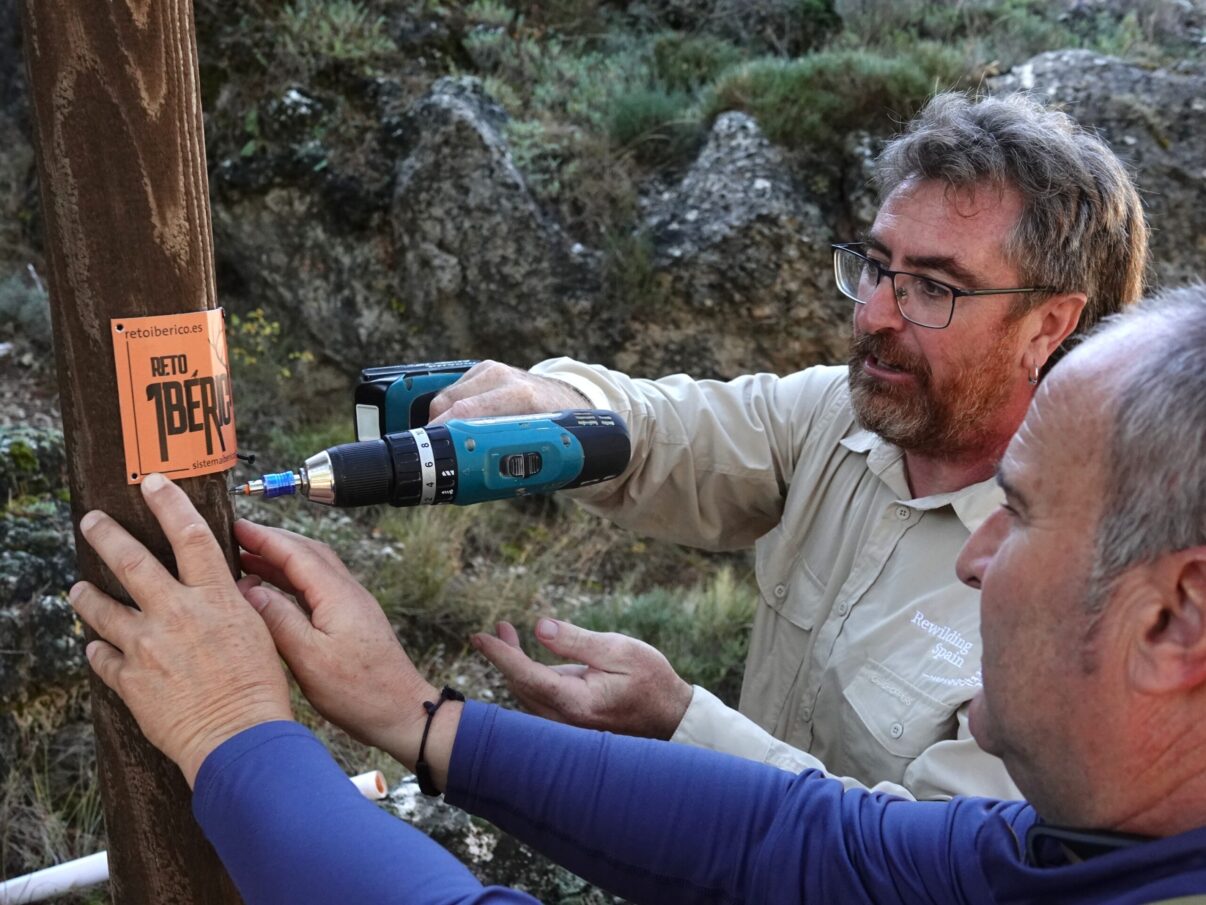
Whichever itinerary they choose, Reto Ibérico offers walkers of all abilities an exceptional setting in which to discover forests, river sources, unique rewilding experiences featuring wild and semi-wild animals, and villages with a distinctive identity.
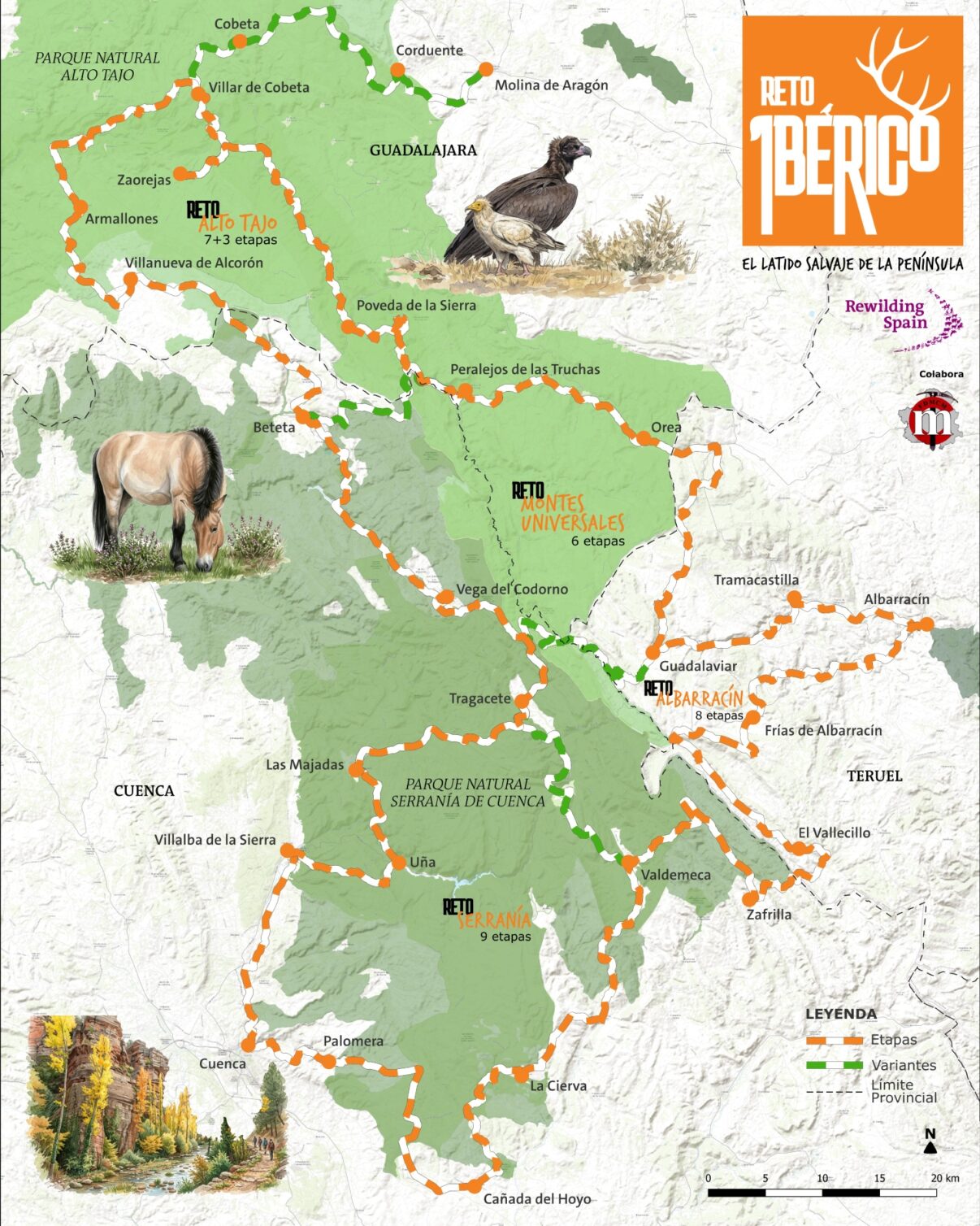
8 rivers, 9 protected natural areas and 3 rewilding areas
The route crosses nine natural areas protected under various environmental designations, within a region where much of the territory holds Starlight Certification for astronomical observation. It also passes through the source areas of eight rivers, two forest reserves protecting mature woodland, and three natural grazing areas inhabited by large wild and semi-wild herbivores.
The route also offers the opportunity to combine time in nature with visits to places of outstanding architectural and historical importance, including the city of Cuenca, a UNESCO World Heritage Site, and the historic town of Albarracín.
Following more than a year of work by technical teams from the FDMCM and Rewilding Spain, the new route makes use of many existing waymarked trails to provide a walking experience suitable for a wide range of people. It also aims to become a gateway to a new way of travelling: slower, more mindful and closely connected to the local economy.
Nature and the local economy
Reto Ibérico offers more than a sporting challenge and an exceptional opportunity to connect directly with nature. The route has also been created with a clear aim of stimulating the local economy. Every stage starts and finishes in a municipality with accommodation or food and drink services available to hikers, and 23 businesses have already signed up as participating partners. This network of participating businesses remains open to new members.
As Basilio Rodríguez, Rewilding Spain’s Socioeconomic Development Manager for the Southern Iberian System, explains, Reto Ibérico offers walkers an experience on a par with those available in other iconic Spanish landscapes, such as the Pyrenees and Picos de Europa. “Our aim was to create a route that would allow people to explore the entire Iberian Highlands on foot, linking existing trails wherever possible and offering walking, trekking and mountaineering enthusiasts, as well as nature lovers, the only major route of its kind in central Spain”, he states.
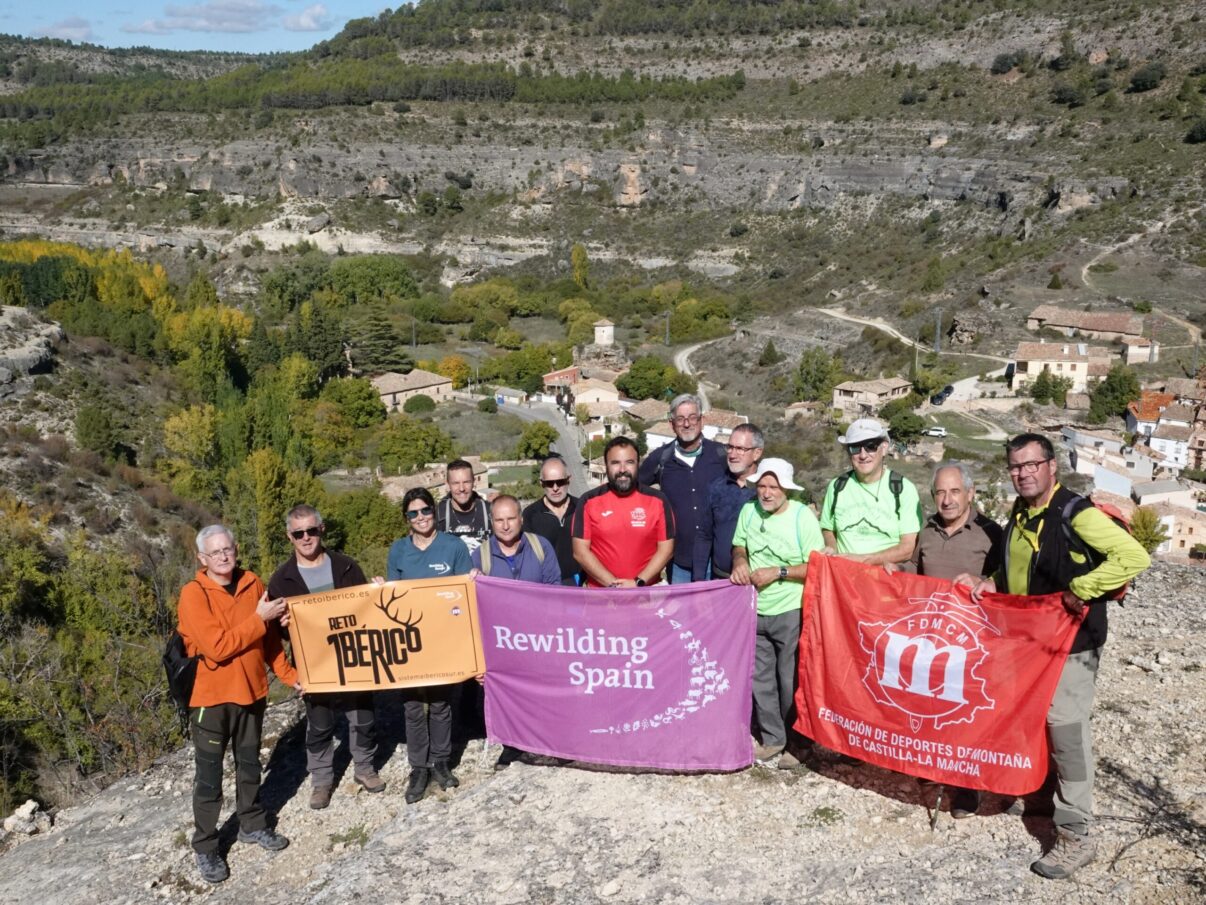
“And we must not forget the economy and rural development,” says Basilio Rodríguez. “That is why every stage starts and finishes in a municipality where hikers can find services such as accommodation and places to eat, provided by local people. We want them to also benefit from the opportunities that Reto Ibérico can bring.”
The importance of bringing nature, culture and local communities together is also highlighted by Miguel Ángel Cubillo, Head of the Hiking Department at the FDMCM: “Walking is good for both mind and body. Every step we take in the mountains allows us not only to enjoy outdoor physical activity, but also to embark on a journey that connects us with the roots, history and people of the land beneath our feet. Reto Ibérico is an itinerary that connects us directly with all of this, and with ourselves, in a ‘wild’ way.”
To help walkers plan their journey and access all the practical information they need, Reto Ibérico has its own website at retoiberico.com. It features interactive route maps, detailed information on each stage and the option to create personalised itineraries using files compatible with walking and hiking apps.
Related news
Nature for people: how rewilding is revitalising lives and landscapes in the Iberian Highlands

